May 21, 2026
Outdoor spaces are more than open land around a home or business. They support privacy, recreation, curb appeal, pet safety, storage, and movement between different areas of a property. However, these benefits are easier to enjoy when the space has clear boundaries and a barrier that matches the property’s daily use.
Fencing can define where one area ends and another begins, but it can also change how secure, comfortable, and organized an outdoor space feels. The right design can separate a backyard from a street, protect equipment from unwanted access, or create a calmer place to relax. Working with local fence services helps property owners choose materials, layouts, and repairs that support both appearance and function.
Creating Clear Boundaries
One of the most practical benefits of fencing is its ability to create a visible property boundary. Even when legal lot lines are recorded, an open yard may still feel unclear without a physical marker. A fence can reduce confusion, guide foot traffic, and show how outdoor areas should be used.
Clear boundaries matter for residential and commercial spaces. Homeowners may want to separate a backyard from a shared side yard, while business owners may need to define parking areas, storage zones, or service entrances. Professional local fence services can help determine where to place fencing so the layout supports access, drainage, and visibility.
A defined fence line can also make maintenance easier. Mowing, landscaping, pet supervision, and outdoor storage often become more organized when each space has a clear purpose. Instead of leaving the property open-ended, fencing helps create structure.
Supporting Privacy and Comfort
Privacy is another major reason people invest in fencing. Backyards, patios, pools, gardens, and outdoor seating areas can feel more comfortable when they are shielded from nearby sidewalks, roads, or neighboring properties. While not every fence needs to block every view, the right design can create a stronger sense of separation.
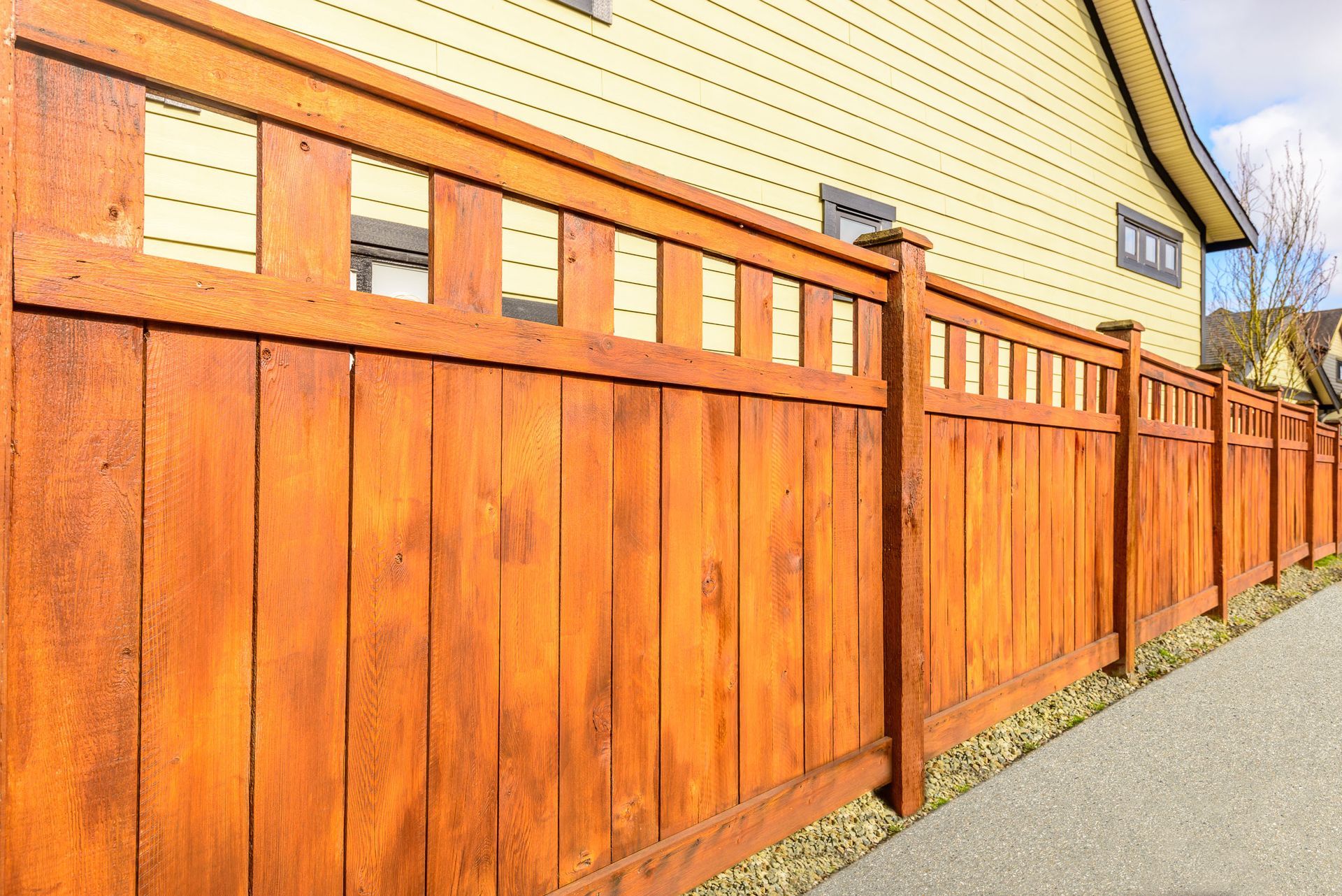
Material selection has a major effect on privacy. Wood, vinyl, and certain composite fences can limit sightlines, while aluminum, ornamental, or chain link options may be better when visibility and airflow matter. The best choice depends on whether the goal is privacy, appearance, security, or a combination of all three.
Market trends also show that many property owners continue to value fencing as a practical improvement. According to The Freedonia Group, demand in the U.S. fencing market is projected to increase by 1.2% annually, reaching USD 12.4 billion by 2027. Skilled local fence services help property owners make choices that reflect this growing interest while still fitting the specific needs of their space.
Improving Security and Access
Fencing can enhance security by controlling the movement of people, pets, vehicles, and equipment around a property. For homeowners, this may mean keeping children or pets within a safer play area. For businesses, it may mean limiting access to loading zones, dumpsters, equipment yards, or employee-only spaces.
Security-focused fencing does not have to look harsh or industrial. Many attractive fence styles still create a strong boundary and guide entry through designated gates. Gate placement is especially important because a fence must work with daily routines. A poorly placed gate can make the property harder to use, while a well-planned gate can improve convenience.
Reliable local fence services can also inspect existing fences for weak points. Loose posts, damaged panels, sagging gates, broken latches, and rusted hardware can reduce protection over time. Repairing these issues promptly helps restore the fence’s purpose before small problems become larger failures.
Enhancing Curb Appeal
A fence is often one of the first exterior features people notice. Because of this, it can influence the property’s overall appearance as much as landscaping, siding, walkways, or outdoor lighting. A fence that suits the property can make the entire exterior feel more complete.
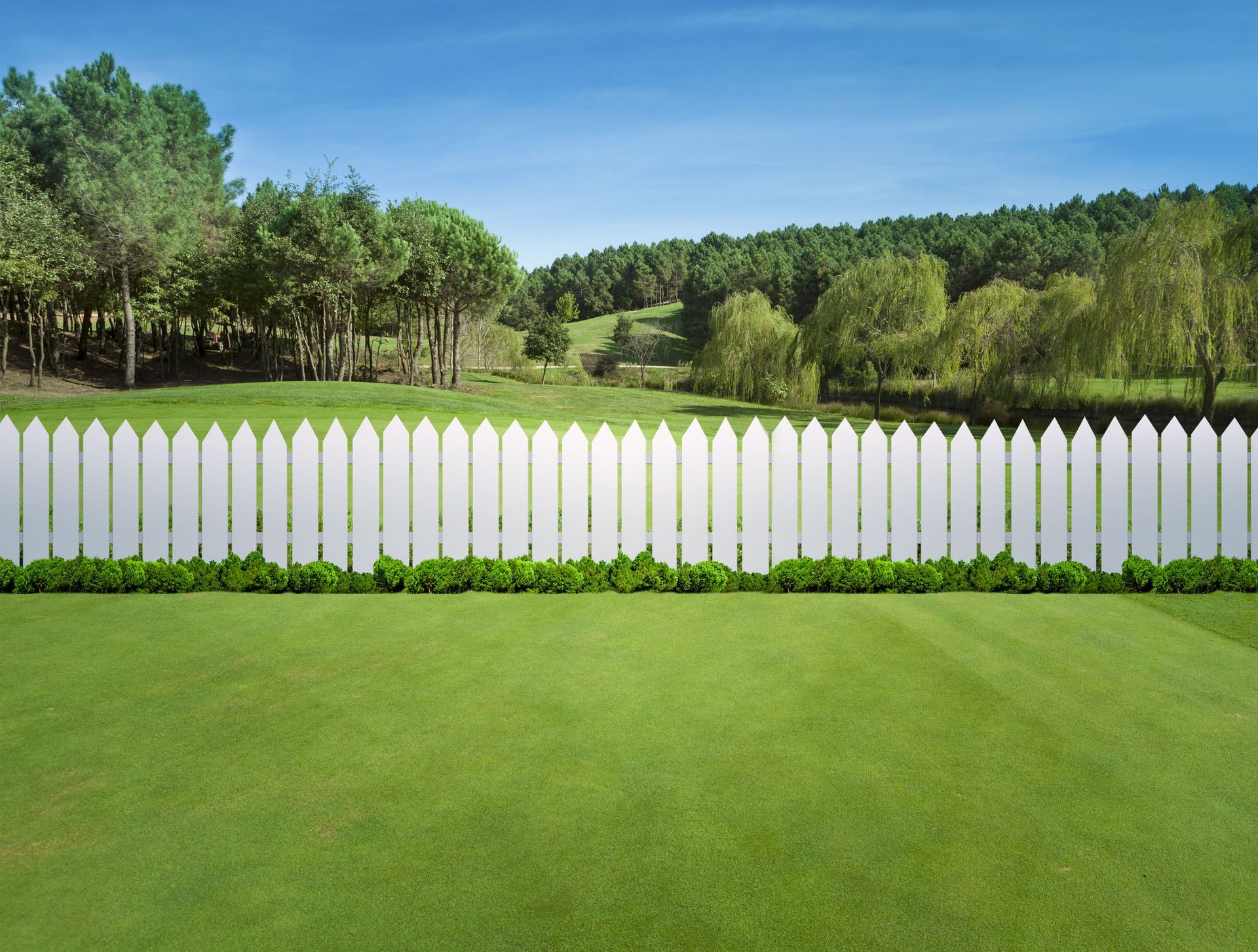
Design details matter. Height, color, material, spacing, post caps, gate style, and line placement all affect the finished look. A privacy fence may give a backyard a clean, enclosed feel, while an ornamental fence can add structure without blocking views. A picket, rail, or decorative style may work well for a more traditional setting.
Experienced local fence services help property owners balance visual goals with practical needs. The most attractive option is not always the most functional, and the strongest option may not always suit the property’s style. Professional planning helps bring both priorities together in a more effective design.
Choosing Durable Materials
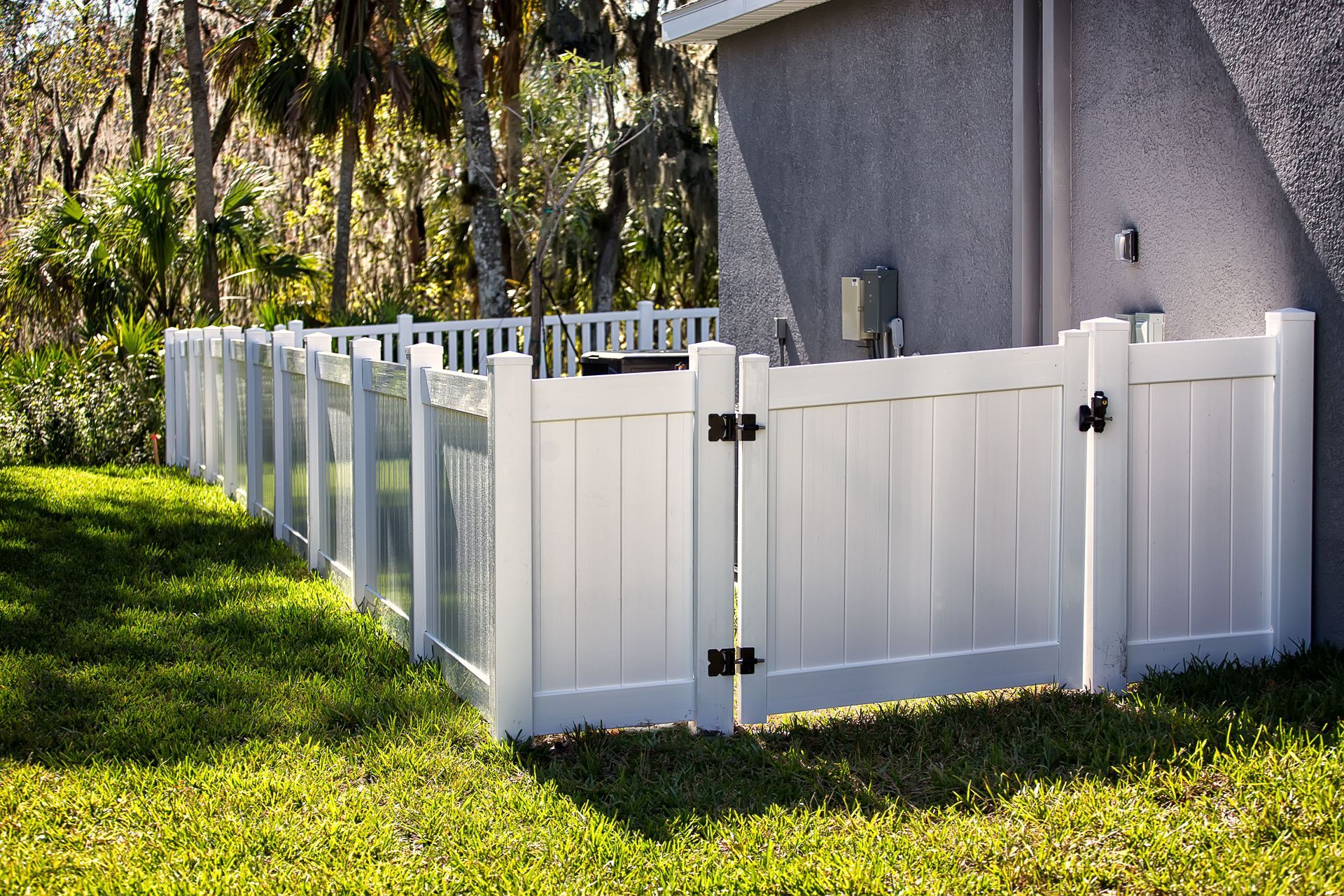
Every fencing material has different strengths, maintenance needs, and design possibilities. Wood is popular for its natural appearance and flexibility, but it may need staining, sealing, or board replacement. Vinyl can offer a clean look with lower maintenance, while chain link is useful for many security and utility purposes. Aluminum and ornamental steel can provide a polished appearance while preserving visibility.
Site conditions should guide material selection. Moisture, sun exposure, wind, soil movement, nearby trees, and drainage can all affect how a fence ages. A material that works well in one setting may not be ideal for another. This is why planning should involve more than appearance or upfront cost.
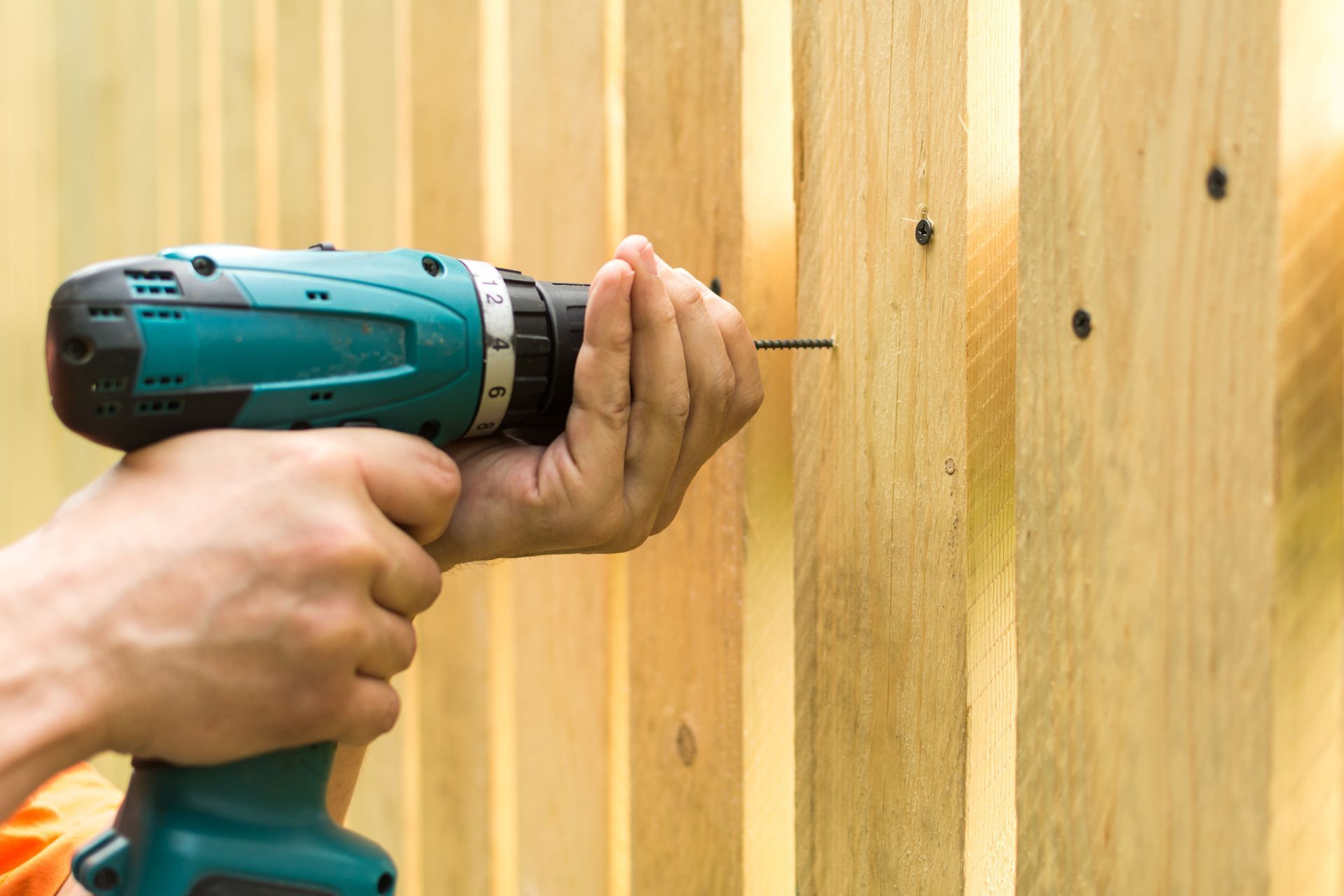
Knowledgeable local fence services can recommend materials based on the property’s use, maintenance expectations, and long-term goals. Proper installation is just as important. Posts need to be secure, panels should align correctly, and gates must have dependable hardware. When installation is weak, even quality materials can fail sooner than expected.
Maintaining Long-Term Performance
A fence continues to perform well only when it receives proper care. Weather, soil movement, impact damage, pests, corrosion, and general wear can affect both appearance and stability. Regular inspections help property owners find concerns before they compromise the entire structure.
Common warning signs include leaning posts, loose rails, cracked boards, missing fasteners, sagging gates, rust, rot, and gaps near the ground. These issues may seem minor at first, but they can reduce the fence’s ability to protect or define the space. Responsive local fence services can determine whether a repair is enough or whether a larger section should be replaced.
Maintenance also protects the investment made during installation. Clearing debris from the fence line, trimming vegetation, checking gate hardware, and addressing drainage concerns can support better long-term performance. Wood fences may need periodic sealing, while metal fences may need rust prevention. With timely care, a fence can continue to support privacy, safety, appearance, and convenience through changing seasons.
Adapting to Changing Outdoor Needs
Outdoor spaces often change over time. A family may add a pet, install a pool, create a garden, expand a patio, or use the yard more often for entertaining. A business may need better storage protection, safer traffic flow, or clearer separation between public and private areas. Fencing should be able to support those evolving needs.
Flexible local fence services can help property owners adjust existing layouts or plan new installations that fit current priorities. Sometimes that means adding a gate, replacing damaged sections, improving privacy, or choosing a stronger material. In other cases, it may involve redesigning the fence line so the outdoor space becomes more useful.
A carefully planned fence brings order, protection, and purpose to an exterior area. It can help people feel more comfortable, make routines easier, and strengthen the way a property functions. With professional installation, repair, and maintenance, fencing can remain a valuable part of the property for years. Call USA Fence today to schedule your fence installation or repair service.