October 12, 2026
Enhancing your residential or commercial property with a new enclosure is an exciting project that yields numerous long-term benefits. A well-designed perimeter structure creates clear boundaries, boosts curb appeal, enhances outdoor privacy, and provides security for children and pets. However, selecting the ideal design requires thoughtful consideration of several practical and aesthetic factors. Working alongside a knowledgeable fence company ensures that your project aligns perfectly with your lifestyle expectations, architectural style, and spatial layout. Consulting a reliable company early simplifies decision-making. By taking a systematic approach to planning, you can transform your outdoor space into a secure, visually appealing retreat.
Every property presents unique characteristics, ranging from sloping terrain and soil conditions to neighborhood guidelines and local climate conditions. Consequently, a solution that works remarkably well for a particular home might not meet the functional requirements of an adjacent lot. Understanding how different materials perform over time helps property owners avoid premature replacement and unnecessary repairs. Moreover, consulting with an established fence company during the initial planning phase provides valuable insights into structural durability, site preparation, and design versatility. By prioritizing your main goals early in the decision-making process, you ensure a smooth installation that enhances property utility for years to come.
Navigating the selection process becomes significantly easier when you break down your decisions into distinct operational steps. From establishing primary goals to reviewing municipal regulations, every phase plays a vital role in achieving a successful outcome. Exploring key selection criteria empowers property owners to make informed choices that harmonize beauty, durability, and functional protection across their outdoor living areas.
Determining Your Primary Property Goals
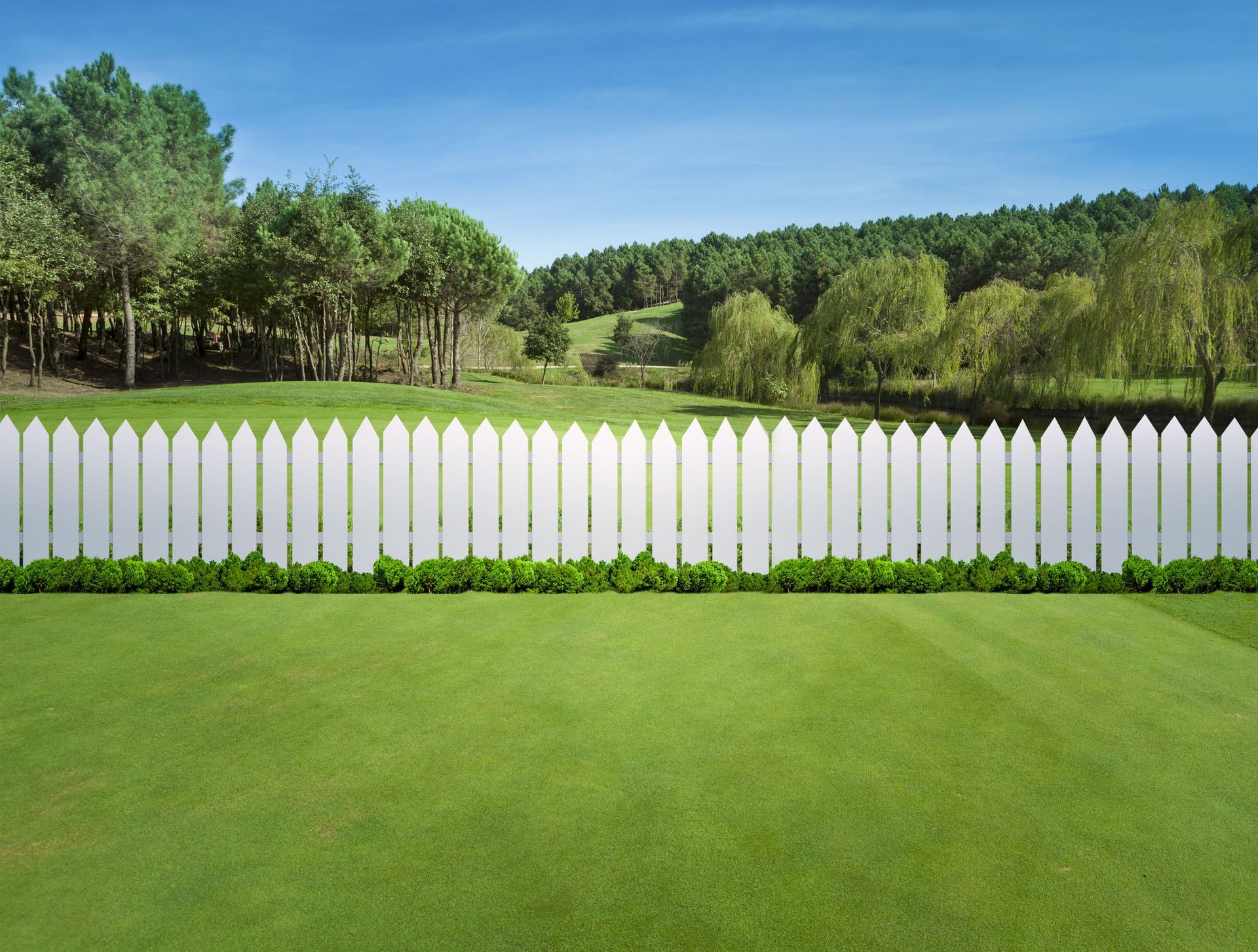
Before exploring specific material samples or decorative designs, property owners should clearly identify the primary purpose of their proposed enclosure. Different objectives require distinct structural features, heights, and panel configurations. For instance, if your main goal involves creating a secluded backyard sanctuary free from neighboring views, solid privacy panels offer the complete coverage necessary to block visual sightlines. Conversely, if you simply wish to enclose a front yard without obstructing scenic surrounding views, open-style decorative pickets provide an elegant boundary that maintains an open atmosphere.
Security and containment represent another fundamental motivation for installing a perimeter barrier. Property owners with active dogs or young children require sturdy structures that prevent accidental escapes and deter unwanted wildlife intruders. In such scenarios, selecting smooth, gap-free paneling with secure locking gates ensures maximum containment and safety. Additionally, poolside installations require specialized safety barriers that satisfy strict pool enclosure guidelines, ensuring complete peace of mind for family members and guests.
Aesthetics also play a major role in defining property boundaries. Matching your new enclosure to existing architectural elements creates a cohesive, polished look that elevates overall home presentation. Whether you prefer rustic wooden charm, modern horizontal steel lines, or classic ornamental ironwork, defining your core aesthetic goals early helps narrow down options efficiently during consultations with a qualified fence company.
Selecting the Ideal Material for Your Needs
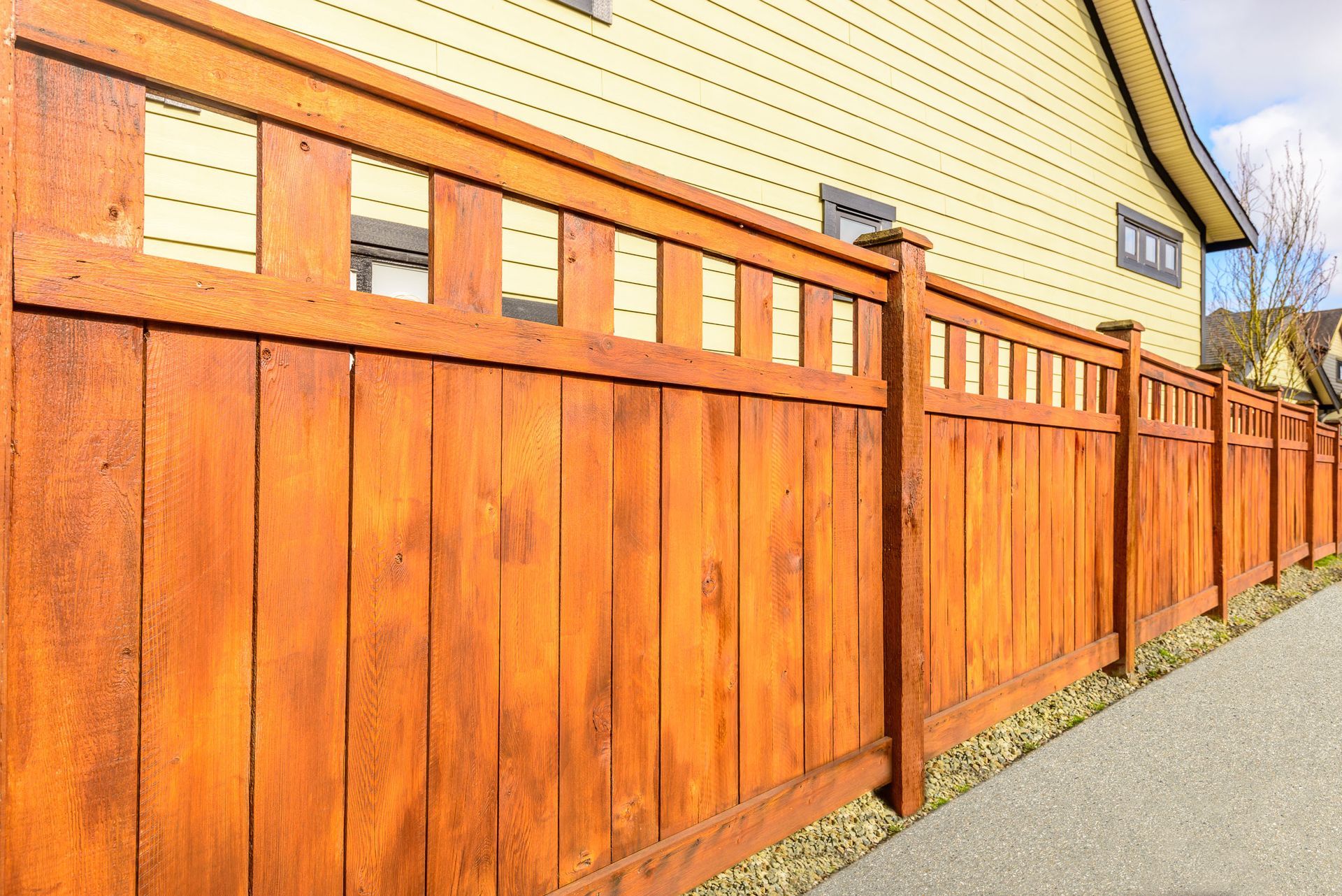
Choosing the right construction material represents a critical choice in any boundary project, directly influencing longevity, appearance, and upkeep demands. Natural wood remains a popular classic option, offering natural warmth, organic texture, and incredible design adaptability. Cedar and pressure-treated pine can be stained or painted in virtually any shade, allowing property owners to customize their look effortlessly. However, wooden structures require periodic sealing, staining, and cleaning to prevent moisture damage and natural weathering over time.
For property owners seeking minimal maintenance combined with exceptional durability, vinyl fencing presents an outstanding modern alternative. Vinyl panels resist moisture absorption, fungal decay, insect infestation, and surface cracking, retaining their vibrant color with minimal effort. Simply washing vinyl panels occasionally with soap and water restores their fresh appearance. Additionally, high-grade vinyl comes in various textures, including realistic wood-grain finishes, making it an incredibly versatile option for contemporary landscapes.
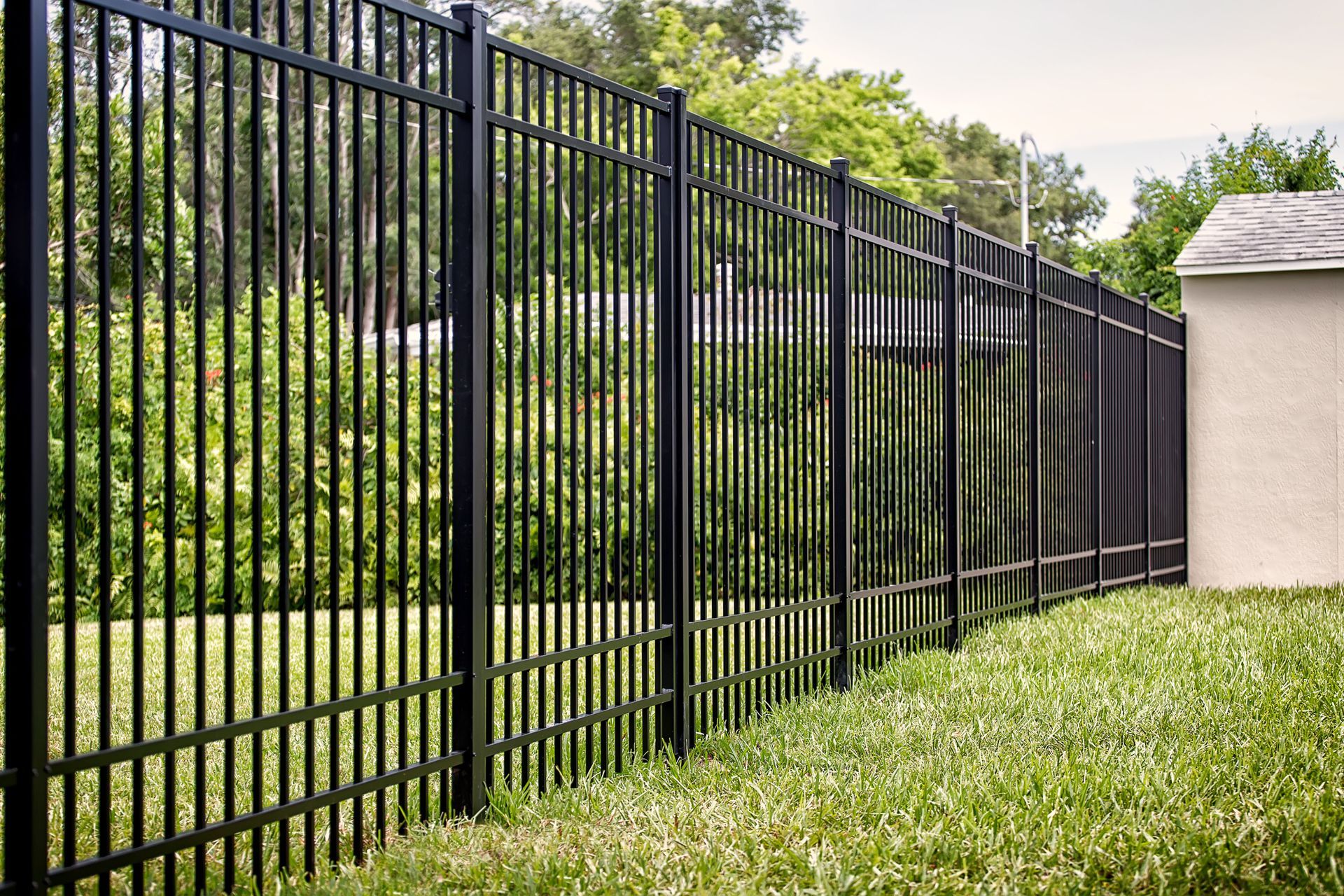
Metal options, such as aluminum and wrought iron, offer unmatched strength, structural stability, and timeless elegance. Powder-coated aluminum resists rust and corrosion remarkably well, making it particularly suitable for humid climates or pool enclosures. Wrought iron provides maximum security and classic historic charm, though it may require occasional touch-up painting to prevent surface oxidation. Discussing material characteristics with an experienced fence company helps you select a substance that thrives in your local environment.
Understanding Local Regulations and Height Guidelines
Installing a perimeter structure involves more than personal preference; it requires compliance with municipal building codes, property boundary lines, and neighborhood associations. Municipalities often enforce specific restrictions regarding setback distances from sidewalks, vision clearance near driveways, and maximum allowed heights for front and backyard installations. Failing to adhere to these regional guidelines can result in mandatory modifications or complete removal of non-compliant structures.
Property guidelines regarding boundary dimensions vary significantly across different communities. According to Home Advisor, residential barrier heights can range anywhere from three to 12 feet tall, depending on regional neighborhood guidelines and municipal standards. Understanding these parameters ensures that your proposed layout satisfies local rules while delivering the desired privacy and protection. Consulting local zoning offices prior to construction prevents unexpected delays and ensures full legal compliance from start to finish.
Homeowners associations frequently maintain strict architectural rules regarding acceptable materials, color schemes, and installation methods. Obtaining formal HOA approval prior to ordering materials or scheduling installation crews protects your property upgrade and ensures harmonious relationships with neighbors. A professional fence company often assists with permit applications and documentation, simplifying regulatory compliance for busy property owners.
Evaluating Long-Term Maintenance Requirements
Every outdoor building material reacts differently to ongoing weather exposure, ultraviolet sunlight, and seasonal temperature changes. Considering how much time and effort you are willing to dedicate to ongoing upkeep is essential when choosing your ideal perimeter style. Some materials require annual painting, protective sealant application, and board replacement, while others function flawlessly for decades with routine surface washing.
Wooden enclosures require active maintenance to preserve structural integrity and visual appeal. Property owners who enjoy hands-on home improvement tasks may find wood maintenance rewarding, but those with busy schedules often prefer low-maintenance alternatives that require far less personal attention.
Modern composite and synthetic materials combine the aesthetic appeal of natural timber with the low-maintenance performance of engineered polymers. Composite panels resist fading, splintering, and insect damage while maintaining structural rigidity across extreme temperature shifts. Investing in low-maintenance materials frees up your personal time while preserving clean, attractive property borders year after year without demanding ongoing physical labor.
Collaborating with Experienced Local Installers
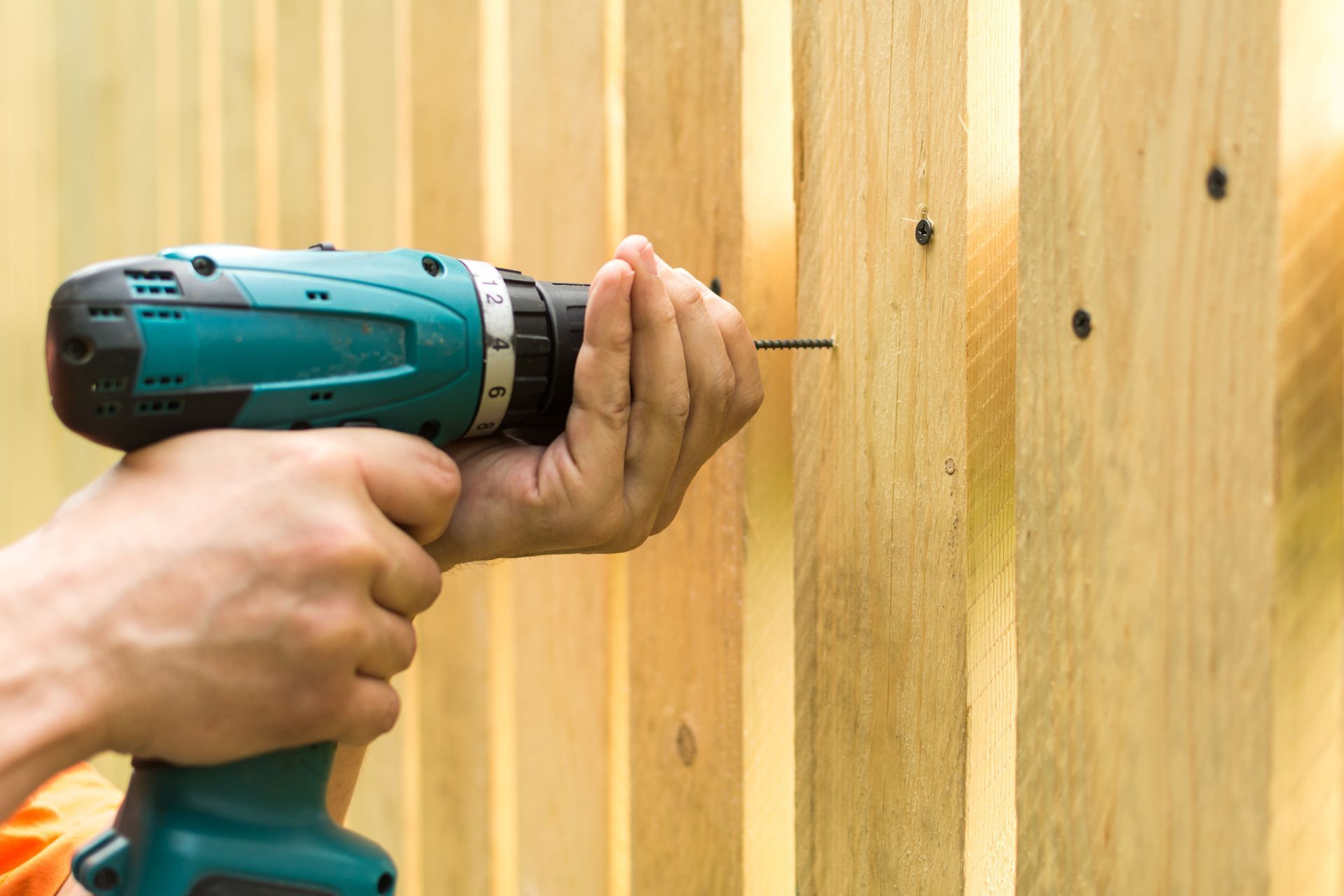
While DIY projects can be tempting, installing a durable, perfectly aligned perimeter barrier requires specialized tools, heavy excavation, and precise structural engineering. Professional installation crews possess the technical expertise required to handle difficult site conditions, including rocky soil, steep grade changes, and hidden underground utility lines. Proper post setting in deep concrete footings ensures that your structure withstands strong wind gusts and ground settling without leaning over time.
Working alongside an established fence company provides invaluable guidance throughout every stage of the build process. Experienced contractors conduct comprehensive site evaluations, measure property lines accurately, and identify potential site obstacles before digging begins. Their professional craftsmanship ensures clean joinery, level paneling, smooth gate operation, and a flawless final finish that enhances overall property presentation.
If you are ready for exceptional craftsmanship and a beautiful new perimeter structure, contact our fence company at USA Fence today. We will help you select and install the perfect enclosure for your property.